
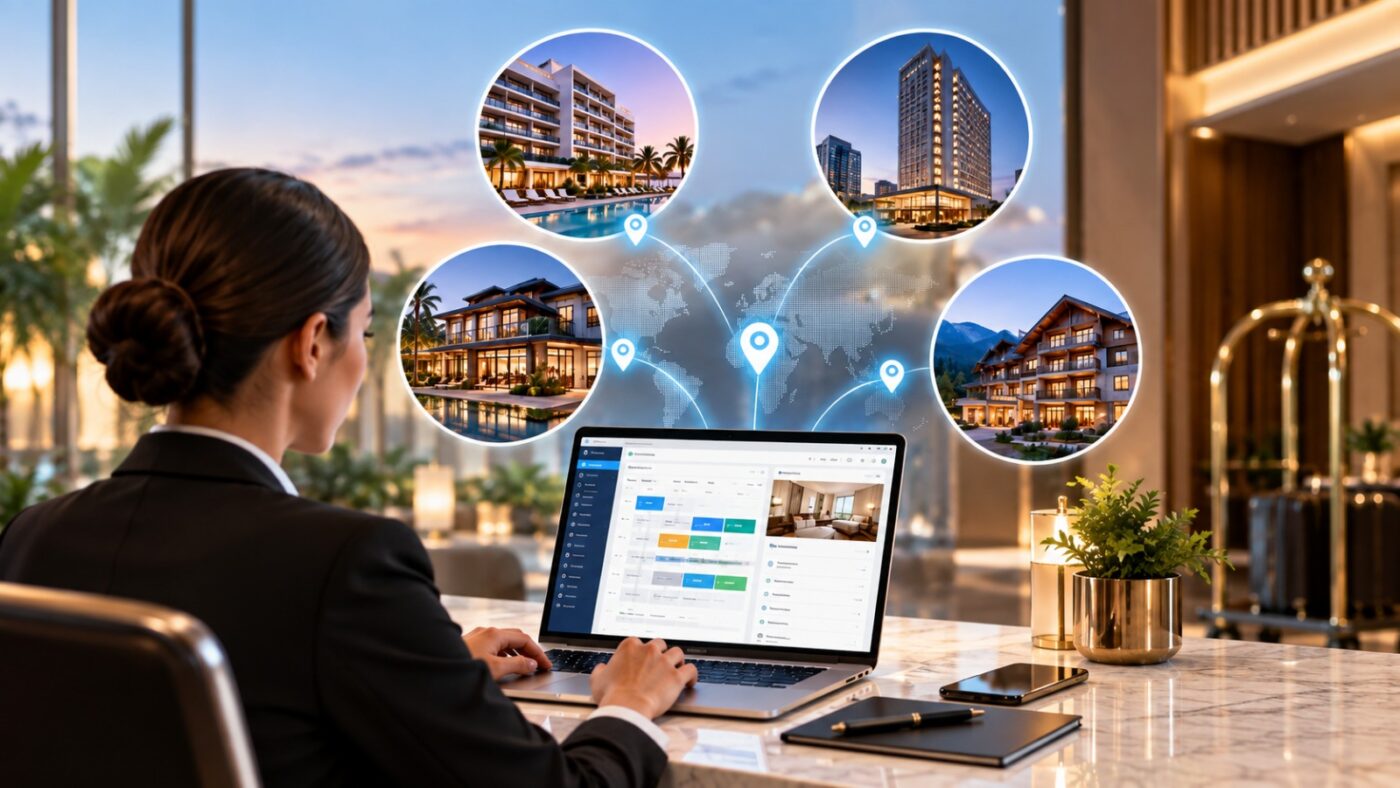
Imagine running five hotels across three cities using five different logins, five spreadsheets, and a WhatsApp group that never stops buzzing. Sounds exhausting, right? That’s exactly the chaos modern hotel groups are walking away from. Property owners are turning to hospitality software solutions in Kuwait to bring every location under one dashboard, one set of numbers, and one clear view of performance. If you’re juggling multiple properties and wondering whether a single system can genuinely tame the madness, keep reading. The answer might save you more hours than you expect.
Why Multi-Property Hotels Outgrow Manual Systems
Spreadsheets work fine for one property, then multiply into confusion the moment a second or third location joins the mix. Different formats, manual updates, and version conflicts turn simple tasks into hours of double-checking, leaving managers reacting to problems instead of preventing them.
Multi-property management means overseeing several hotels, resorts, or serviced apartments through one unified system rather than juggling separate tools for each site. It brings bookings, staff schedules, and reporting together so owners see the full picture instead of scattered fragments.
Centralized Control: The Backbone of Modern Hotel Software
One Login, Every Property in View
Instead of switching between five different systems, managers open a single platform and instantly see occupancy, revenue, and staffing across every hotel at once. That unified view turns scattered decision-making into something far more grounded, immediate, and genuinely useful for daily operations.
Real-Time Visibility Across Locations
When a room sells in one city, every connected property reflects that change instantly. This real-time sync stops overbooking, keeps inventory accurate, and gives owners the confidence that the numbers on screen actually match what’s happening at the front desk.
Keeping Rates and Availability in Perfect Step
Centralized Rate Management Across Cities
Pricing a room in Kuwait shouldn’t require logging into a separate tool from pricing one in Qatar. Centralized rate management lets teams adjust pricing strategies across every property from one place, reacting to demand shifts without duplicating effort or missing a market.
Avoiding Double Bookings and Rate Mismatches
Manual updates leave gaps where two guests book the same room or two channels show different prices. Automated syncing closes those gaps, protecting revenue and preventing the awkward guest conversations that come from booking errors nobody caught in time.
Manual Operations vs Software-Driven Multi-Property Management
The contrast becomes obvious once you compare how each approach actually handles the daily grind:
- Data accuracy – manual entry invites human error, while centralized software keeps every property’s numbers consistent and current
- Speed of decisions – spreadsheets require compiling reports, while dashboards show live performance the moment you log in
- Staff efficiency – teams stop re-entering the same data across systems and spend that time on guests instead
- Scalability – adding a new property means configuring one more location, not building an entirely new manual process
Where Hospitality Tech Borrows From Retail Thinking
Shared Logic Across Very Different Industries
Multi-location hotels and multi-branch retailers face the same core challenge: keeping inventory, pricing, and performance consistent everywhere. A well-built retail IT solution in Bahrain and a hotel management platform often share similar backbones, centralizing operations so no branch or property operates blindly.
Expanding Across Borders: Kuwait, Qatar, and Beyond
Running Regional Groups Without Regional Headaches
Hotel groups spreading across the Gulf need systems that adapt to different currencies, tax rules, and guest expectations without losing consistency. Providers offering hospitality software solutions in Qatar alongside neighbouring markets help chains expand confidently instead of rebuilding their tech stack for every new city.
Consistent Guest Experience, Wherever They Book
Guests expect the same booking ease and service quality whether they’re staying in one city or hopping between properties. Unified systems maintain that consistency, carrying guest preferences and loyalty data across every location the traveller visits.
What to Look for in a Multi-Property Hotel System
Not every platform handles multiple properties equally well. Before committing, check for:
- Centralized dashboards covering occupancy, revenue, and staffing in one view
- Real-time synchronization between channels, rates, and inventory
- Scalable architecture that supports adding new properties without a system overhaul
- Strong local support familiar with regional regulations and payment methods
In Short
Managing multiple hotels shouldn’t feel like running separate businesses that happen to share a brand name. The right hospitality software solutions in Kuwait bring pricing, bookings, and reporting into one coherent system, freeing owners to focus on growth instead of reconciling spreadsheets. As Gulf hospitality expands across new cities and property types, centralized management isn’t a luxury anymore. It’s simply how modern hotel groups stay organized, consistent, and ready for whatever the next property brings.
Frequently Asked Questions
Can a small hotel group with just two properties benefit from this software?
Yes, even two properties create duplicate work manually. Centralized software saves time immediately and scales smoothly as the group grows beyond its current size.
Does multi-property software work for mixed portfolios, like hotels and serviced apartments?
Most modern platforms support mixed portfolios, applying the same centralized logic to different property types while still respecting their unique operational needs.
How difficult is it to migrate existing hotel data into a new system?
Reputable providers handle migration with dedicated onboarding support, transferring guest records, rates, and booking history with minimal disruption to daily operations.
Can staff at individual properties still make local decisions within a centralized system?
Absolutely, centralized software typically allows role-based permissions, so local teams retain control over daily operations while owners keep group-wide visibility.
Is multi-property hotel software only useful for large international chains?
Not at all. Independent groups managing even a handful of regional properties gain real efficiency, since manual coordination becomes harder well before chains reach large scale.
