
Dubai has never been shy about doing things differently. From vertical farms inside malls to robot concierges at hotels, this city treats innovation as a default setting. Now, that same energy is reshaping something far more ordinary but equally important: the way you check out at a store. The rise of the self-checkout system in Dubai is not just a tech upgrade. It is a shift in how retailers think about customer time, trust, and experience. If you have ever wondered where retail is heading, keep reading, because the answer is already here, and it is closer than the nearest cashier.
Decoding the Self-Checkout System: What It Actually Means
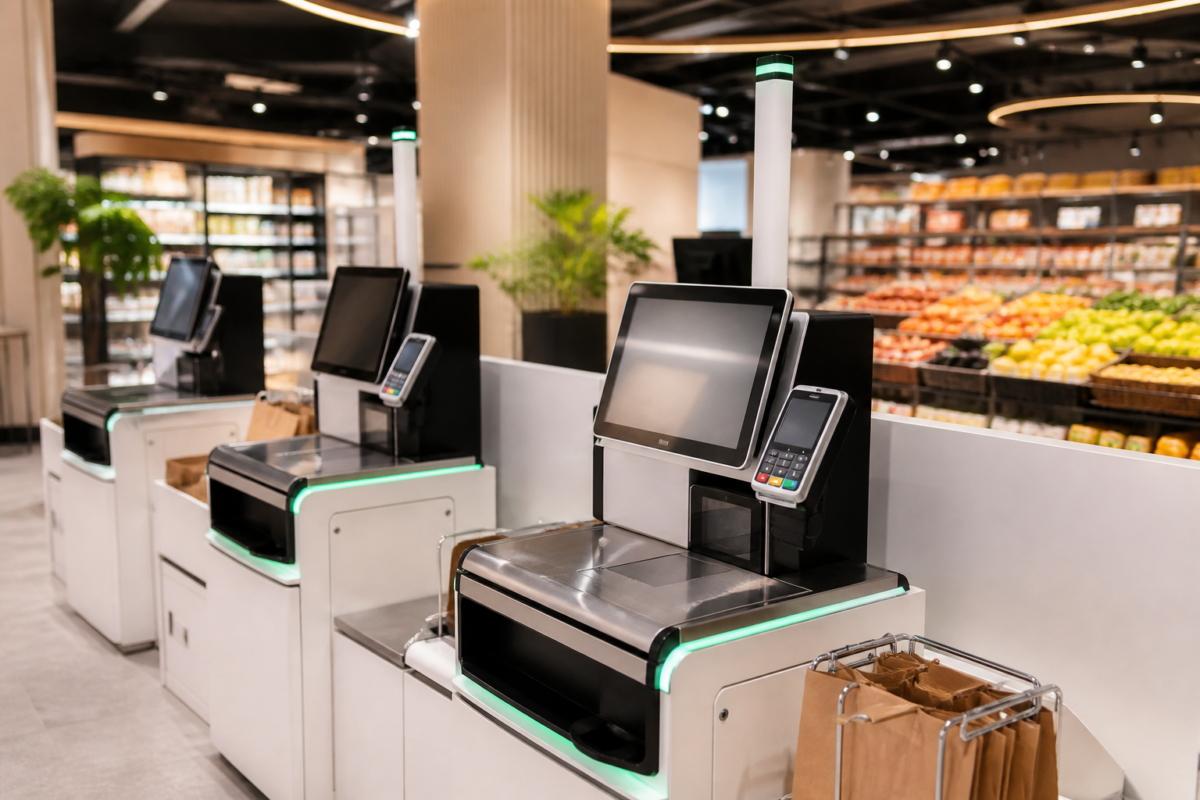
A self-checkout system is a retail technology that allows customers to scan, bag, and pay for their purchases without involving a human cashier. It includes a touchscreen interface, barcode scanner, weight sensor, and payment terminal. Customers handle the entire transaction independently, from the first scan to the final receipt.
Why Dubai Retailers Are Adopting Self-Checkout Systems Fast
The City That Cannot Afford to Waste Time
Dubai runs on efficiency. Residents juggle packed schedules, and long checkout lines are a friction point that modern stores can no longer afford to ignore. Self-checkout technology cuts average transaction time significantly, which matters deeply in high-traffic locations like supermarkets, pharmacies, and convenience stores across the city.
A Customer Base That Is Digitally Ready
Dubai’s smartphone penetration is among the highest in the world. Shoppers here are already comfortable with apps, digital wallets, and contactless payments. Introducing self-checkout machines to this audience is not a leap. It is a natural next step that aligns with habits already formed.
Retail Real Estate Costs Are High
Floor space in Dubai is expensive. Replacing several traditional checkout lanes with compact self-checkout kiosks frees up valuable square footage. Retailers can use that space for additional product displays, customer service desks, or even seating areas, without sacrificing checkout capacity.
How Self-Checkout Systems Work in Dubai Stores
The Step-by-Step Process a Shopper Follows
A customer approaches the kiosk, scans each item using the built-in scanner or by placing it under the sensor, and places it in the bagging area. The system checks the weight to confirm accuracy. Once all items are scanned, the customer selects a payment method, which could be card, Apple Pay, Google Pay, or cash in some models, and completes the transaction independently.
The Role of Weight Sensors and Anti-Theft Technology
Modern self-checkout systems use highly calibrated weight sensors in the bagging area. If an item is placed without being scanned, the machine flags it immediately. Some systems in Dubai also use overhead cameras and AI-powered monitoring to detect suspicious activity, making theft significantly harder than it might appear.
Integration with Store Inventory Systems
Self-checkout kiosks do not operate in isolation. They connect directly to the store’s inventory management software, updating stock counts in real time every time a purchase is made. This integration helps store managers track product movement accurately and reduce shrinkage across departments.
The Restaurant POS Connection: More Than Just Retail
How Restaurant POS in Dubai Fits Into This Conversation
The same thinking driving self-checkout in retail is reshaping dining too. A restaurant POS in Dubai now often includes customer-facing screens where diners can browse the menu, customize orders, and pay at the table without waiting for a server. This mirrors the self-service model and reflects a broader shift toward putting control in the customer’s hands.
Kiosks at Quick Service Restaurants in the City
Several fast food and quick service restaurants in Dubai have installed standalone ordering kiosks at their entrances. Customers place their own orders, choose add-ons, and pay upfront. The result is shorter wait times, fewer order errors, and higher average order values since customers tend to explore more options when browsing at their own pace.
NCR POS in Dubai and the Hardware Behind the Shift
What NCR POS in Dubai Brings to the Table
NCR POS in Dubai represents one of the most established hardware and software providers powering self-checkout adoption in the region. NCR’s systems are known for reliability, multilingual interfaces, and robust integration with back-end retail platforms. Many major supermarket chains and hypermarkets in the UAE have deployed NCR-built checkout systems across their locations.
Why Hardware Quality Matters for Customer Trust
A self-checkout machine that freezes, misreads barcodes, or flags false errors destroys the customer experience fast. High-quality hardware from providers like NCR ensures that sensors, scanners, and payment readers work consistently, even during peak hours when hundreds of transactions happen simultaneously within a single store.
Challenges Retailers Face When Deploying Self-Checkout
Customer Hesitation Is Real and Manageable
Not every shopper in Dubai is immediately comfortable scanning their own groceries. Older customers or first-time users may feel unsure about the process. Retailers who invest in clear on-screen instructions, nearby staff assistance, and simple interface design consistently see faster adoption rates than those who simply install machines and walk away.
Balancing Technology With Human Presence
Self-checkout does not mean zero staff. It means redirecting staff toward roles that require human judgment, such as handling age-restricted purchases, assisting customers with disabilities, and resolving payment issues. The best implementations in Dubai treat self-checkout and human staff as partners, not substitutes.
Wrapping It Up: The Checkout Counter Has Evolved
The shopping experience in Dubai is no longer defined by queues and cashiers. It is defined by speed, control, and technology that respects the customer’s time. The growth of the self-checkout system in Dubai signals something bigger than convenience. It reflects a city choosing to lead in retail innovation, the same way it leads in architecture, tourism, and finance. The future of shopping is not coming. It is already in the aisle next to you.
Frequently Asked Questions
Are self-checkout systems available in smaller Dubai stores, or only in large supermarkets?
Self-checkout kiosks are expanding beyond hypermarkets into pharmacies, convenience stores, and specialty retail outlets across Dubai, making them increasingly common in everyday shopping locations.
Can tourists with foreign bank cards use self-checkout machines in Dubai stores?
Yes. Most self-checkout systems in Dubai accept international Visa, Mastercard, and contactless payment methods, making them accessible and easy to use for visitors from any country.
How do self-checkout systems handle items without barcodes, like fresh produce?
These systems include touchscreen menus where customers select items by category or use a built-in scale to weigh produce and generate a price automatically before completing the transaction.
Do self-checkout machines in Dubai support Arabic language interfaces?
Many modern self-checkout systems deployed in Dubai offer both Arabic and English interfaces, ensuring that all customers, regardless of preferred language, can navigate the process comfortably.
Is it safe to pay using a credit card at a self-checkout kiosk in Dubai?
Absolutely. These kiosks use encrypted payment terminals that comply with PCI-DSS security standards, ensuring that card data is protected throughout every transaction made at the machine.
